How to Kill a Lobster Humanely: Methods Explained
Cooking lobster at home can feel intimidating, especially if the lobster is alive after our delivery. For many, the thought of having to kill a lobster humanely is daunting, but it’s an important step for both the quality of the meat and your peace of mind.
In this blog, we’ll walk you through the most humane way to kill a lobster, what the latest science says about lobster pain, and how to prepare it for cooking once it’s been dispatched.
Do Lobsters Feel Pain? What the Science Says
The short answer is: probably yes. An independent review commissioned by the UK government and led by the London School of Economics (LSE) reviewed over 300 scientific studies and concluded that lobsters are likely sentient, meaning they have the capacity to experience pain and distress. This was significant enough for the UK to extend its Animal Welfare (Sentience) Bill to include lobsters and other decapod crustaceans.
That said, lobsters have a much simpler nervous system than humans, with about 100,000 neurons compared to our 100 billion, which means their experience of pain, if any, is likely very different from ours. What’s clear is that taking steps to kill a lobster humanely before cooking is widely regarded as the responsible approach, both ethically and for the quality of the meat.
Methods You Should Never Use to Kill a Lobster
Some methods that were once considered acceptable are now discouraged by animal welfare guidance. These include:
Boiling alive without prior stunning or chilling — this is the method most likely to cause unnecessary distress.
Gradually increasing water temperature — despite being listed in some older guides, this prolongs exposure to heat and is not considered humane.
Live dismemberment — splitting or tailing a fully conscious lobster without stunning first.
If any of the above were your go-to, don’t worry — the methods below are easy to follow at home.
The Most Humane Ways to Kill a Lobster
Step 1 — Stun the Lobster First (Chilling Method)
The best way to kill a lobster starts with chilling: place it in the freezer for 20–30 minutes before dispatching. This slows the lobster’s metabolism and sedates it, making the process calmer for both of you. It doesn’t kill the lobster outright; it simply prepares it for a quicker, more humane dispatch.
Step 2 — The Knife Method: Quick and Humane
After chilling, place the tip of a sharp chef’s knife just behind the lobster’s eyes, where the carapace meets the body. With one swift motion, plunge the knife down and forward. This severs the central nervous system almost instantly. The legs may twitch briefly after, but the lobster is dead. This two-step combination of chilling then spiking is widely considered the most humane way to kill a lobster at home.
Is Boiling a Frozen Lobster More Humane?
If you’re not comfortable with the knife method, boiling after chilling is a reasonable alternative. Transfer the sedated lobster directly from the freezer into a pot of rapidly boiling water, where it will die very quickly. While not as instantaneous as the knife method, it is significantly more humane than boiling a fully conscious lobster alive.
How to Prepare and Cook Lobster After Killing It Humanely
Once dispatched, your lobster is ready to cook. The humane way to cook lobster doesn’t have to mean compromise. Handled properly, the meat will be just as sweet and tender. Here are a few simple options:
Boil or steam — the most classic approach, ideal for preparing whole lobster.
Grill or split and roast — great for showcasing the natural sweetness of the tail.
Use the tomalley and roe — the tomalley (the lobster’s liver and pancreas) and the dark coral-coloured roe from female lobsters are both considered delicacies worth keeping.
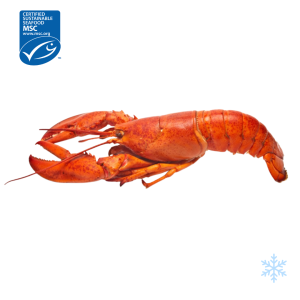
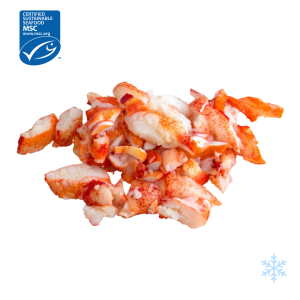
Not ready to deal with a live lobster just yet? At SeafoodFriday, we also offer ready-to-eat options like our US Whole Cooked Lobster and US Cooked Lobster Meat — all handled with care so you can enjoy the best of lobster without the fuss.
Frequently Asked Questions (FAQs)
Is it cruel to boil a lobster alive?
Based on current scientific evidence, boiling a lobster alive is best avoided. Chilling it first and dispatching it with a knife is widely considered the best way to kill a lobster, or at a minimum, always stun it before boiling.
Does chilling a lobster before killing it actually work?
Yes. Placing a lobster in the freezer for 20–30 minutes genuinely sedates it by slowing its nervous system activity. It won’t kill the lobster, but it makes the subsequent dispatch quicker and less stressful.
Can I kill a lobster humanely without special equipment?
Absolutely. All you need is a sharp chef’s knife and a freezer. Chill the lobster first, then use the knife to sever the central nervous system in one swift motion — no specialist tools required.
Does killing the lobster before cooking affect the taste?
Dispatching the lobster humanely can actually improve the quality of the meat. A lobster that isn’t stressed at death releases fewer stress hormones, which some chefs believe results in a sweeter, more tender texture.
Is the humane way to cook lobster different from the traditional method?
The cooking process itself is the same — boiling, steaming, and grilling all work perfectly well. The only difference is ensuring the lobster has been humanely dispatched before it hits the heat.