Delicate, buttery, and slightly tangy, traditional blinis are the perfect base for premium caviar. This classic combination has stood the test of time, gracing everything from Russian feasts to modern canapé platters. And yes, you can absolutely recreate this elegant bite at home!
In this easy guide, we’ll show you how to make soft, pillowy blinis from scratch and how to pair them properly with caviar. Whether you’re planning a holiday appetiser, a brunch board, or a quiet indulgence, this traditional caviar and blini recipe will walk you through every step — no stress, just great flavour.
What are Blinis? The Perfect Partner for Caviar
Blinis are small, yeasted pancakes with origins in Eastern Europe, particularly Russia and Ukraine. Traditionally made with buckwheat flour, they have a soft, airy texture and a subtle earthiness that complements savoury toppings beautifully.
It’s this neutral, slightly tangy profile that makes blinis such a natural partner for caviar. The pairing of caviar and blini is more than just tradition, as it’s about balance, texture, and enhancing flavour.
Why This Classic Caviar Blini Combination Works
Caviar has a naturally briny, buttery richness that deserves to be the star of any dish. Blinis act as a gentle foundation, delivering just enough flavour and structure without overshadowing the caviar.
This contrast — the warm, pillowy blini against the cool pop of the roe — creates a bite that’s both luxurious and refined. A touch of crème fraîche or sour cream adds creaminess, rounding out the experience. When thoughtfully paired, caviar and blini bring out the best in each other, turning a simple bite into something quietly refined.
How to Make Traditional Blini for Caviar
Making blinis at home is easier than it sounds. With just a few ingredients and a bit of resting time, you’ll be serving beautifully golden blinis in no time, perfect for your next caviar blini platter.
Blini Ingredients
- 60g buckwheat flour
- 60g plain flour
- 1 teaspoon active dry yeast
- 1/2 teaspoon sugar
- 150ml warm milk
- 1 large egg, separated
- 30g melted butter (plus more for cooking)
- A pinch of salt
- 2 tablespoons sour cream or crème fraîche (optional, for serving)
Step-by-Step Blini Instructions
- Activate the yeast: In a small bowl, mix warm milk, sugar, and yeast. Let it sit for 10 minutes, until it becomes frothy.
- Make the batter: In a large bowl, whisk the flours and salt. Add the yeast mixture, egg yolk, and melted butter. Mix until smooth. Cover and let rest for 1 hour in a warm spot.
- Whip the egg white: Beat the egg white until soft peaks form. Gently fold into the batter to add lightness.
- Cook the blinis: Heat a non-stick pan over medium heat and brush with butter. Drop 1-tablespoon portions of batter into the pan. Cook for 1–2 minutes until bubbles appear, then flip and cook the other side.
- Keep warm: Transfer cooked blinis to a plate, cover with a clean towel or foil, and continue cooking the rest.
How to Serve Caviar and Blini
To serve caviar blini in the traditional style, top each warm blini with a small dollop of crème fraîche and a spoonful of high-quality caviar. Keep the plating elegant — a little goes a long way.
When building a board, you can also include optional garnishes like finely chopped chives, red onion, or a few hard-boiled egg slices. Just remember, the goal is to highlight the caviar and blini, not bury them under extras.
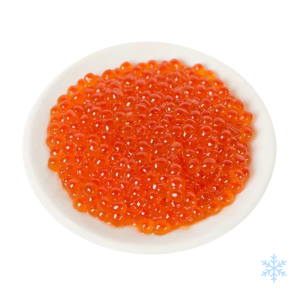
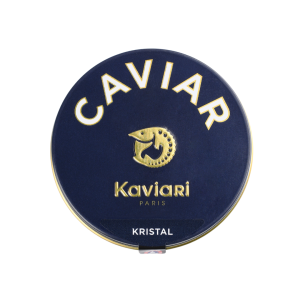
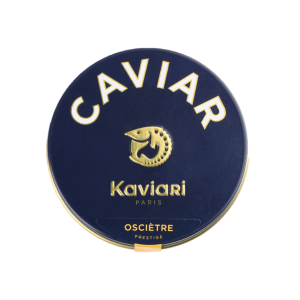
If you’re looking for premium caviar in Hong Kong, SeafoodFriday is a trusted option. We offer quality caviar selections that pair beautifully with homemade blinis, including salmon roe and other luxury selections.
Expert Tips for the Perfect Caviar Blini
Blini and caviar might sound fancy, but a few thoughtful touches will make the final result feel effortless.
- Make ahead: Blinis can be made earlier in the day and gently reheated in a low oven.
- Serve components at ideal temperatures: Blinis should be warm, but caviar should remain chilled for the best taste and texture.
- Use non-metal spoons for caviar: Mother-of-pearl, wood, or bone spoons preserve the caviar’s delicate flavour.
Blini vs. Bellini: Which is the Right Partner for Caviar?
It’s not unusual for people to confuse blinis with Bellinis — after all, the names sound almost identical. But when preparing a refined appetiser for caviar, the two play very different roles.
A blini is a soft, savoury mini pancake and the traditional base in a recipe for caviar appetisers. It’s light, neutral, and designed to let the flavours of the topping shine. A Bellini, on the other hand, is a cocktail made with peach purée and prosecco, better suited to sipping alongside your dish than being part of the plating.
While the Bellini isn’t used in the kitchen, it can still be part of the moment. Serving a chilled glass for guests alongside your caviar and blini setup adds a festive, well-rounded touch to the occasion.
Nutrition Facts for Caviar and Blini
A typical serving of caviar blini offers a balance of carbohydrates, fats, and proteins. The blinis themselves are relatively light, and caviar, while luxurious, is surprisingly nutrient-dense.
Caviar is rich in Omega-3 fatty acids, vitamin B12, selenium, and iron, supporting brain health and energy metabolism. Blinis made with buckwheat also bring added fibre and minerals to the plate. While it’s certainly an indulgent dish, it’s not without nutritional value, especially when served in modest portions.
Frequently Asked Questions
Can I use store-bought blinis?
Yes, you can! If you’re in a rush, pre-made blinis are a convenient option. But for a standout caviar blini presentation, freshly made ones offer superior texture and flavour.
Do I need buckwheat flour?
Not necessarily, but it’s recommended. Buckwheat gives blinis their traditional flavour and a slightly nutty character, ideal if you’re planning to serve them with caviar, perhaps even alongside a glass of Bellini for pairings done right.
How should I store leftover blinis?
Let them cool completely, then store in an airtight container in the fridge. Reheat in a pan or in the oven to restore their texture.
What’s the best caviar to serve with blinis?
Classic choices include sturgeon, osetra, or salmon roe (ikura). In Hong Kong, SeafoodFriday has flash-frozen and premium caviar options that pair well with blinis in any classic starter.