Fish is one of the best foods you can offer a baby. It’s full of protein, iron, and omega-3s that help with brain development. The tricky part is knowing where to start.
When to start
Most health guidelines say fish can be introduced around 6 months, once your baby is eating solids. There’s no need to wait longer. If your child has severe eczema, a food allergy, or there’s a family history of fish allergy, check with your pediatrician first.
Start with mild, soft, low-mercury fish
Look for fish with a gentle flavor and a flaky texture. These are the easiest to begin with:
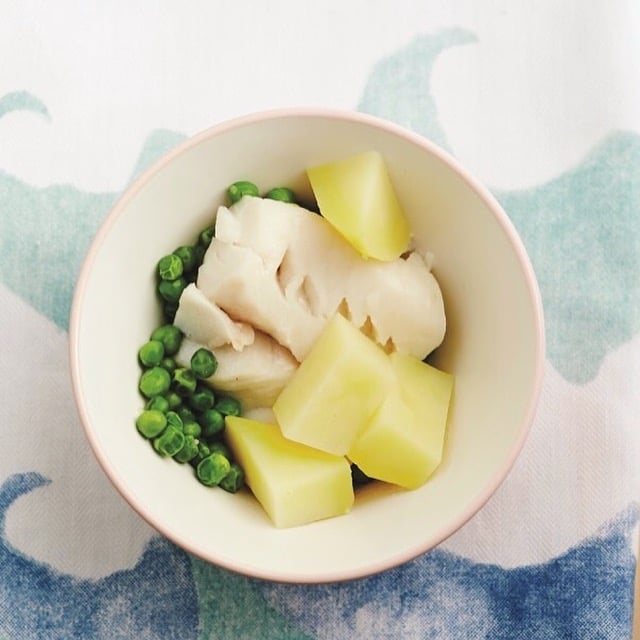
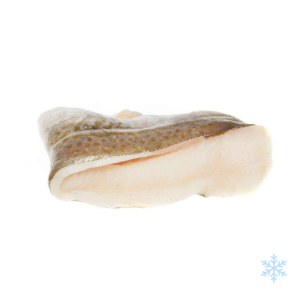
Cod. Mild, soft, and hardly fishy. It’s a great first choice.
Pollock. Highly affordable and very similar to cod.
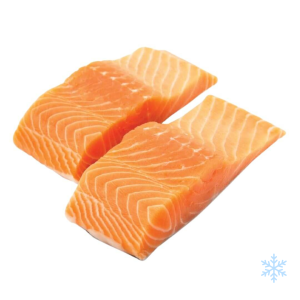
Salmon. A little stronger in flavor, but packed with omega-3s. Most babies love it once they’ve tried a few other fish first.
Sole and flounder. Delicate and quick to cook.
Fish to leave for later
Some fish contain more mercury than little bodies should handle. Skip shark, swordfish, marlin, and king mackerel while your child is young. Go easy on tuna too. Light canned tuna now and then is fine, but it shouldn’t be a regular thing.
Also avoid raw fish like sushi and sashimi, and smoked fish, which is usually very salty.
How to prepare it
Cook the fish all the way through until it flakes easily with a fork. Steaming, baking, and poaching are the gentlest ways. Skip the added salt, and hold off on heavy sauces or seasoning.
For a baby just starting out, you can flake it into small pieces, mash it with a little breast milk, formula, or water, or stir it into a veggie purée. Older babies and toddlers can eat soft flakes with their fingers.
Check for bones
This is the big one. Even fillets sold as boneless can hide tiny bones. Run your fingers over every piece before serving, and press it flat to feel for anything sharp. Take your time with it, every time.
How often
Aim for fish about two times a week. Mix up the types so your child gets a range of nutrients, and so they don’t get stuck on one flavor.
Start small and watch
Like any new food, offer a small amount the first time and wait to see how your child reacts. Signs of an allergic reaction include hives, swelling around the lips or face, vomiting, or trouble breathing. If you see any of these, stop feeding the fish and call your doctor. If breathing is affected, get emergency help right away.
Easy first ideas
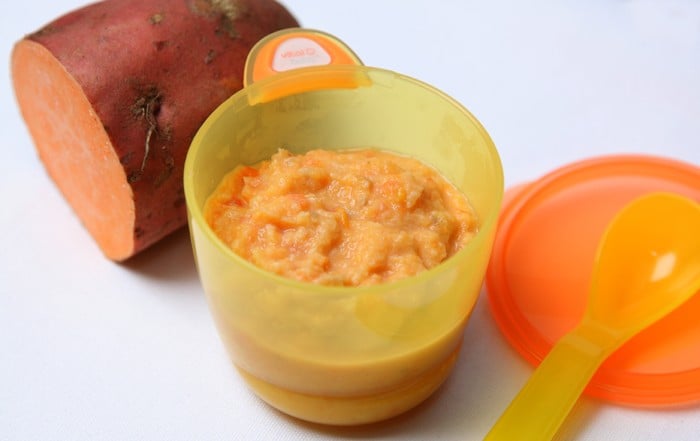
Steamed cod flaked into mashed sweet potato
Baked salmon mashed with a little avocado
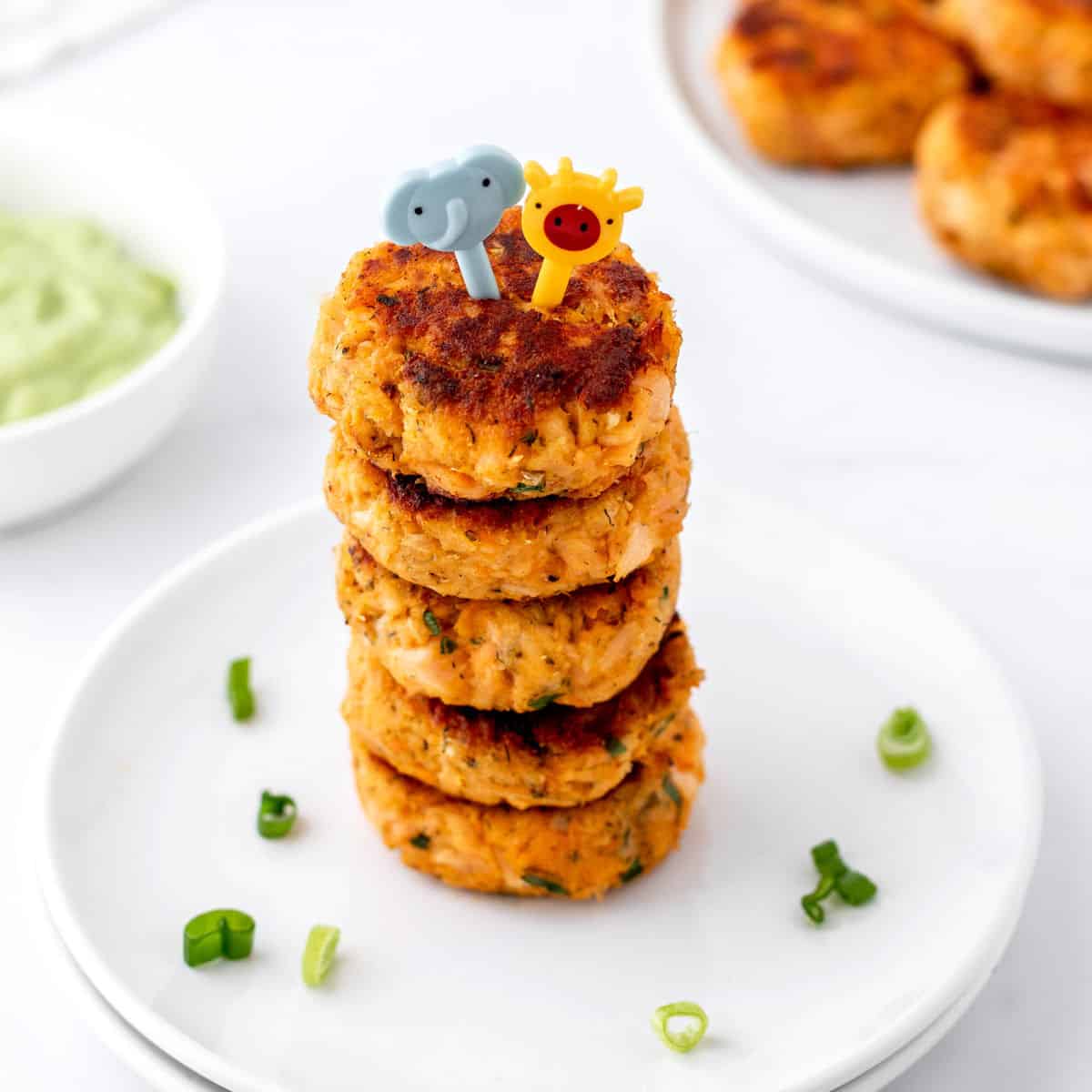
Soft fish cakes made with potato and a little dill, baked rather than fried
Flaked haddock stirred through plain rice or pasta